
D365 F&O Integration with ZATCA B2B/B2C
D365 F&O PKR ZATCA INTEGRATION SOLUTION
D365 Finance and Operations integration solution optimizes processes, enhances security, and ensures seamless communication with ZATCA's FATOORA PORTAL.
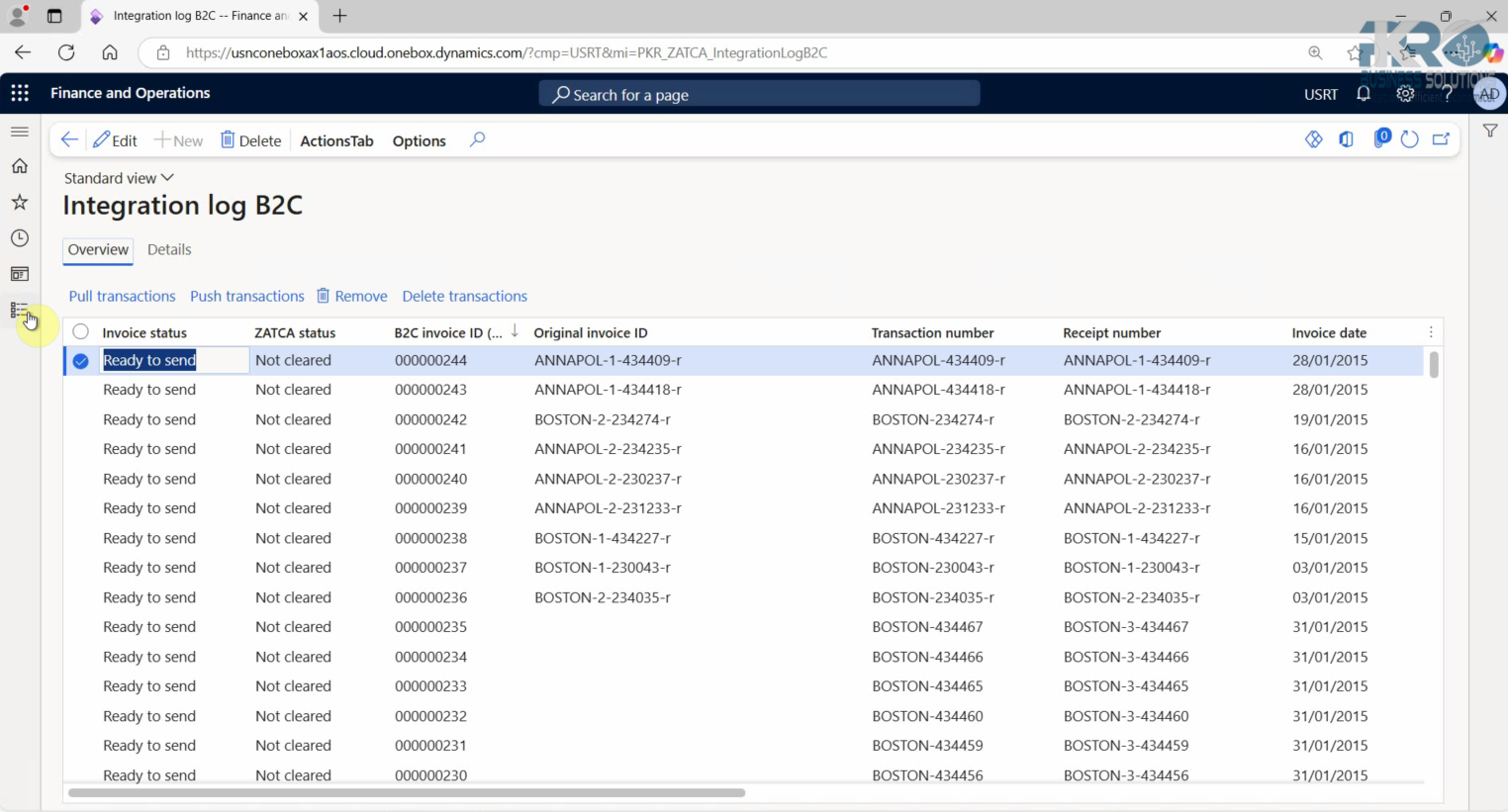
D365 Finance and Operations integration solution optimizes processes, enhances security, and ensures seamless communication with ZATCA's FATOORA PORTAL.


Short‑term planning stability is one of the biggest challenges in supply chain management. Frequent changes to planned orders—especially within the immediate execution window—can disrupt procurement, confuse production teams, and strain supplier relationships. Dynamics 365 Supply Chain Management (D365 SCM) addresses this challenge through the coverage time fence, a Planning Optimization feature that helps organizations control when new planned orders can be created.
The coverage time fence ensures that planning remains stable in the near term while still allowing flexibility for future periods.
Net requirements are one of the most important tools for planners in Dynamics 365 Supply Chain Management (D365 SCM). They provide a clear, item‑level view of how supply aligns with demand, helping planners understand shortages, validate planned orders, and troubleshoot planning issues. With Planning Optimization, net requirements are calculated faster and more efficiently, giving organizations real‑time visibility into their supply chain.
This blog explains how net requirements work, how Planning Optimization calculates them, and why they are essential for effective master planning.
Production is at the heart of every manufacturing organization. Whether you're building discrete products, managing continuous process flows, or running lean operations, Dynamics 365 Supply Chain Management (D365 SCM) provides a structured, end‑to‑end framework to plan, execute, track, and complete production activities. A clear understanding of the production lifecycle helps organizations improve efficiency, reduce waste, and maintain full visibility from raw materials to finished goods.
This blog provides a comprehensive, easy‑to‑follow overview of the production process in D365 SCM.
Manufacturers rarely operate under a single production philosophy. Real‑world operations often blend make‑to‑stock (MTS), make‑to‑order (MTO), configure‑to‑order (CTO), batch production, and lean/Kanban execution. Dynamics 365 Supply Chain Management (D365 SCM) supports this reality through mixed‑mode planning, allowing organizations to run multiple production models simultaneously while maintaining a unified planning and execution framework.
This blog provides a clear, structured overview of mixed‑mode planning and how it enables flexible, efficient manufacturing.