
D365 F&O Integration with ZATCA B2B/B2C
D365 F&O PKR ZATCA INTEGRATION SOLUTION
D365 Finance and Operations integration solution optimizes processes, enhances security, and ensures seamless communication with ZATCA's FATOORA PORTAL.
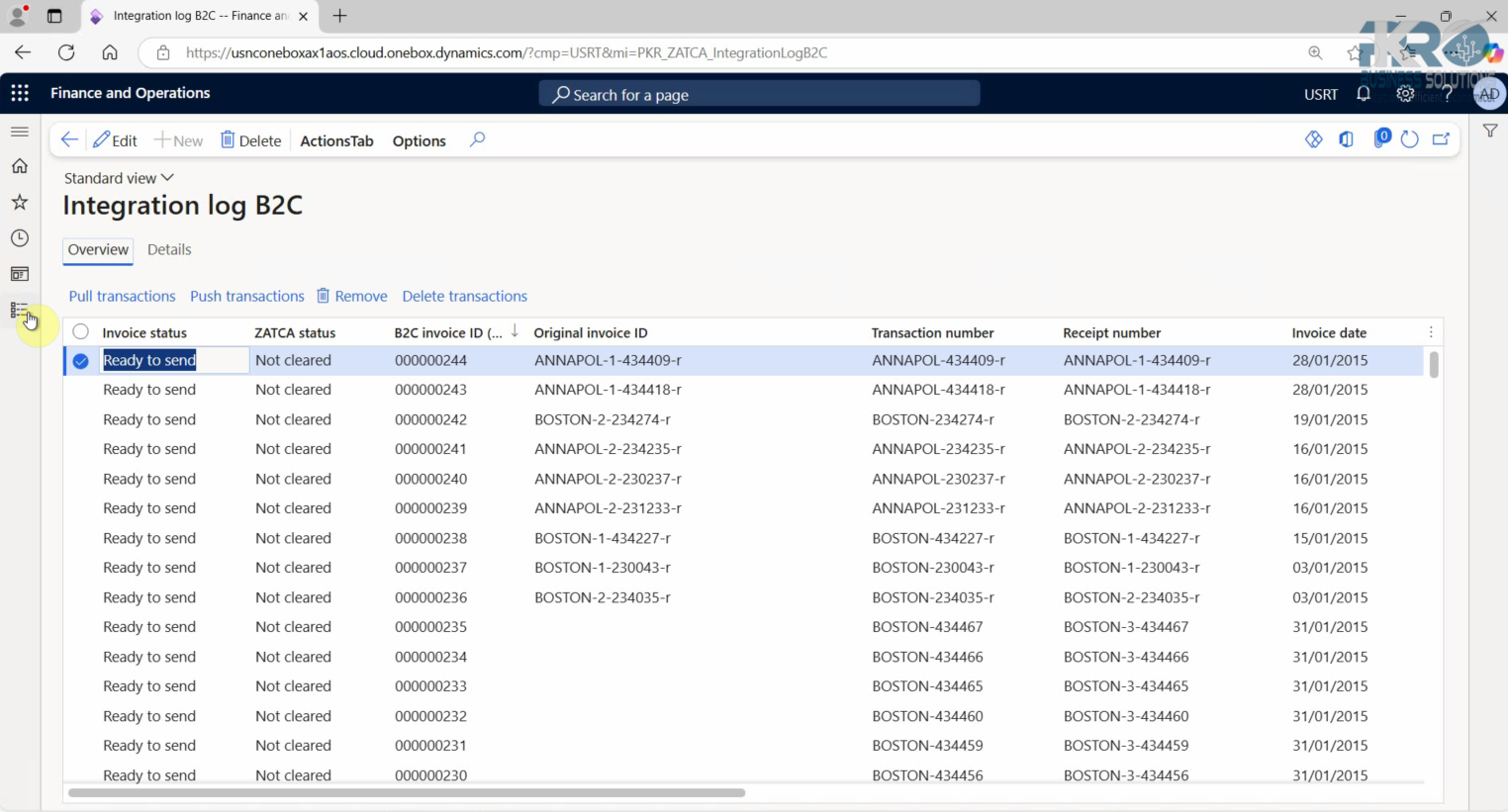
D365 Finance and Operations integration solution optimizes processes, enhances security, and ensures seamless communication with ZATCA's FATOORA PORTAL.


In today's fast-paced supply chain environment, accurate delivery dates are critical to maintaining smooth operations. When suppliers and buyers are aligned on delivery expectations, it reduces uncertainty, minimizes delays, and improves customer satisfaction. Dynamics 365 Supply Chain Management (D365 SCM) provides robust tools to manage and track supplier-requested and confirmed delivery dates, ensuring better planning and execution across procurement processes.
Master planning can involve massive datasets—thousands of items, multiple warehouses, and complex supply and demand relationships. Running full planning cycles every time can be time‑consuming and unnecessary, especially when planners only need to focus on a specific product line, warehouse, or business scenario.
Plan filters in Dynamics 365 Supply Chain Management (D365 SCM) solve this problem. They allow planners to narrow the scope of master planning so that Planning Optimization processes only the relevant data. This improves performance, reduces processing time, and enables targeted scenario planning.
Supply chain disruptions, material shortages, and discontinued items can bring production or order fulfillment to a halt. To stay resilient, organizations need the ability to quickly switch to alternative materials or products without compromising planning accuracy. Dynamics 365 Supply Chain Management (D365 SCM) supports this through item substitution, a feature that allows the system to automatically propose or apply substitute items during master planning.
This blog explores how item substitution works, why it matters, and how Planning Optimization uses substitution rules to maintain supply continuity.
Managing vendor pricing efficiently is essential for controlling procurement costs and ensuring consistent purchasing decisions. Dynamics 365 Supply Chain Management (D365 SCM) provides a powerful framework for automating purchase prices and discounts through purchase trade agreements. These agreements help organizations maintain accurate pricing, streamline purchase order creation, and support better vendor negotiations.
This blog explores how purchase trade agreements work, why they matter, and how to set them up effectively.