D365 F&O Integration with ZATCA B2B/B2C
D365 F&O PKR ZATCA INTEGRATION SOLUTION
D365 Finance and Operations integration solution optimizes processes, enhances security, and ensures seamless communication with ZATCA's FATOORA PORTAL.
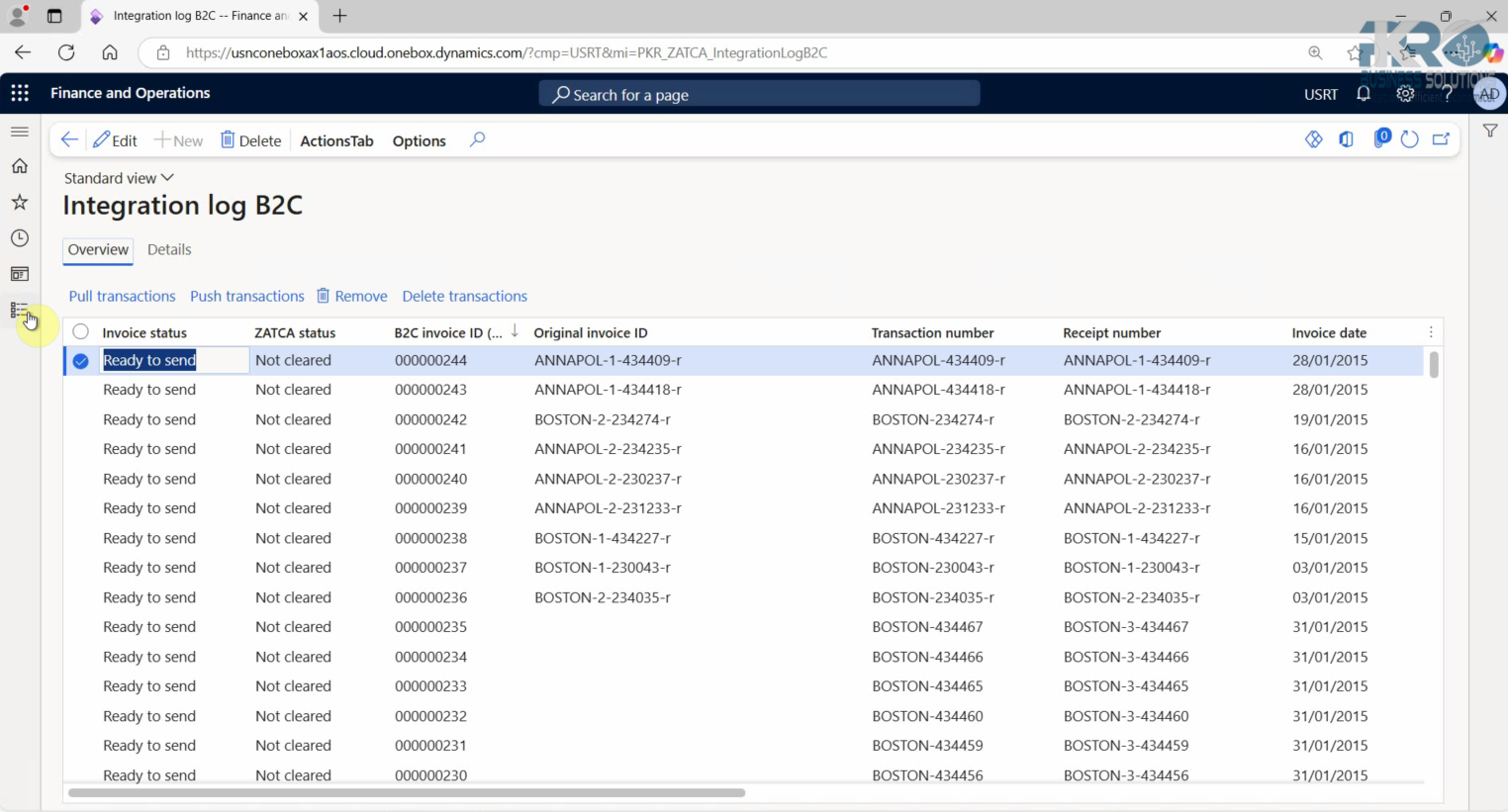
D365 Finance and Operations integration solution optimizes processes, enhances security, and ensures seamless communication with ZATCA's FATOORA PORTAL.


Consignment inventory refers to stock that is physically stored in your warehouse but remains owned by the vendor until it is consumed. This arrangement allows businesses to reduce inventory carrying costs while maintaining product availability. In Dynamics 365 Supply Chain Management, consignment replenishment orders are used to track expected deliveries, register receipts, and manage vendor-owned inventory efficiently.
In today’s complex supply chain landscape, traceability is more than a compliance requirement—it's a strategic advantage. Dynamics 365 Supply Chain Management (D365 SCM) empowers organizations to trace raw materials and finished goods across the entire supply chain, from procurement and production to sales and customer delivery. This end-to-end visibility helps ensure product quality, regulatory compliance, and operational efficiency.
Inventory close is a critical process in Dynamics 365 Supply Chain Management that ensures your inventory and financial records are accurate and aligned. By reconciling inventory transactions and adjusting costs, inventory close provides a true reflection of inventory value at the end of a financial period. This process is essential for accurate cost accounting, financial reporting, and compliance.
Running average cost is one of the most widely used costing methods in Dynamics 365 Supply Chain Management. It continuously updates the cost of an item based on actual financial updates—such as purchase invoices, production postings, and inventory adjustments. This method ensures that inventory valuation reflects the most current and realistic cost picture, especially in environments where prices fluctuate frequently.
This blog explains how running average cost works, why it matters, and how Dynamics 365 recalculates and applies cost changes throughout the supply chain.